About
Muhiuddin Khan Alamgir is a distinguished Bangladeshi economist and retired public figure who served as a Member of Parliament of the People’s Republic of Bangladesh. Over a career of more than four decades, he held senior positions across government — from Secretary to the Prime Minister to Cabinet Minister — and played a central role in shaping the country’s economic planning, trade policy, and governance.
He earned his doctorate in economics from Boston University and combined deep academic training with extensive hands-on experience in national development, including stewardship of the Fifth Five Year Plan and landmark negotiations such as the Ganges Water Treaty with India and the Peace Treaty with the insurgents of the Chittagong Hill Tracts.
Academic Qualifications
| Degree | Year | Institution |
|---|---|---|
| Ph.D. (Economics) | circa 1980 | Boston University, Boston, MA, USA |
| M.A. (Development Economics) | circa 1976 | Boston University, Boston, MA, USA |
| M.A. (Political Economy) | circa 1976 | Boston University, Boston, MA, USA |
| M.A. (Economics) | circa 1962 | Dhaka University, Dhaka, Bangladesh |
| B.A. Hons. (Economics) | circa 1961 | Dhaka University, Dhaka, Bangladesh |
Experience
-
Member of Parliament & Chairman, Standing Committee on Public Accounts, Bangladesh Parliament
c. 2014 – 2018
Led parliamentary oversight of public financial accountability.
-
Minister, Ministry of Home Affairs, Government of the People’s Republic of Bangladesh
c. 2012 – 2013
Directed the nation’s home affairs portfolio at cabinet level.
-
Member of Parliament; Chairman, Standing Committee on Public Undertakings and Public Accounts Committee, Bangladesh Parliament
c. 2009 – 2014
Chaired committees overseeing public enterprises and public accounts (2009–2012).
-
State Minister — Ministry of Planning; Ministry of Civil Aviation and Tourism; Ministry of Science and Technology
c. 1997 – 2001
Served as State Minister for Planning (1997–2001), Civil Aviation and Tourism (1997), and Science and Technology (1997–1998). Chief architect behind the Fifth Five Year Plan of the People’s Republic of Bangladesh.
-
Chairman, National Statistical Council
c. 1997 – 2000
Oversaw national statistical policy and standards.
-
Secretary to the Prime Minister
c. 1996 – 1997
Negotiated the Ganges Water Treaty with India and the Peace Treaty with the insurgents of the Chittagong Hill Tracts. Coordinated overall governance.
-
Secretary, Ministry of Science and Technology
c. 1992
Architected a scheme for the spread of information technology and communication within Bangladesh.
-
Member, Planning Commission — General Economics Division
c. 1992 – 1996
Formulated the economic policies of the Government of Bangladesh.
All dates shown above are approximate.
Political Persecution
Throughout his life, Dr. Alamgir and his family have been repeatedly subjected to political persecution — from the late 1970s through to the present day. These campaigns have come particularly from Islamic and nationalist forces in Bangladesh, targeting him for his secular, tolerant, and free-market views. His willingness to resist military rule and authoritarianism repeatedly placed his life and liberty at risk.
-
Late 1970s — Assassination attemptAn attempt on his life for his resistance to General Ziaur Rahman’s military rule — the first in a series of efforts to silence him.
-
Circa March 1996 — Assassination attemptA second assassination attempt, for his resistance to General H. M. Ershad’s military rule.
-
2002 — Arbitrary detention and tortureArrested on 15 March 2002 on politically motivated charges related to the 1996 Janatar Mancha demonstration against the BNP government. Tortured in custody and denied medical care for his diabetes. Prolonged detention under the Special Powers Act and a cascade of six criminal cases defied repeated court orders for bail, until his release was finally secured in September 2002. Documented by Amnesty International and the South Asia Forum for Human Rights.
-
August 2004 — Grenade attackHe survived a grenade attack on his and his colleagues’ lives, although scores next to him died — part of the wave of political violence directed at opposition leaders that year.
-
Circa 2007 – 2009 — ImprisonmentImprisoned for approximately two years for his resistance to a military takeover of Bangladesh’s government, shrewdly termed a caretaker government.
-
Circa 2013 – 2016 — Harassment by Islamist forcesHarassment by Islamist forces for his secular views.
-
Circa 2024 onwards — Persecution resumesFollowing the violent overthrow of Bangladesh’s democratic government by Islamist and nationalist forces in 2024, persecution resumed — first under the unelected caretaker government, and subsequently under a nationalist government whose election excluded Bangladesh’s largest secular political party. Dr. Alamgir was serendipitously out of the country at the time, but some of his peers were not so fortunate: they fell victim to mob justice, with scores of people burnt or lynched alive and subjected to mob killings and mob public hangings.
That these pressures — detention, torture, and repeated attempts on his life — never deterred his commitment to secularism, tolerance, and market-oriented reform stands as a defining feature of his public life.
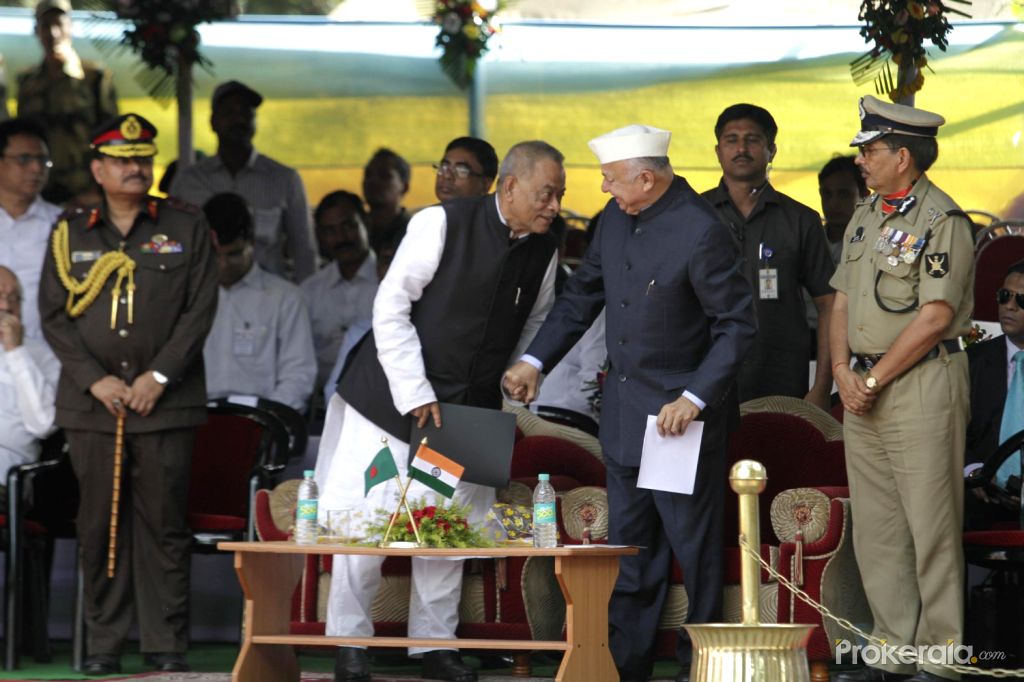
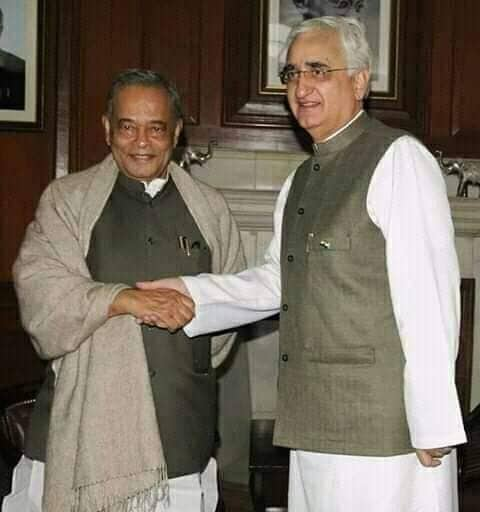
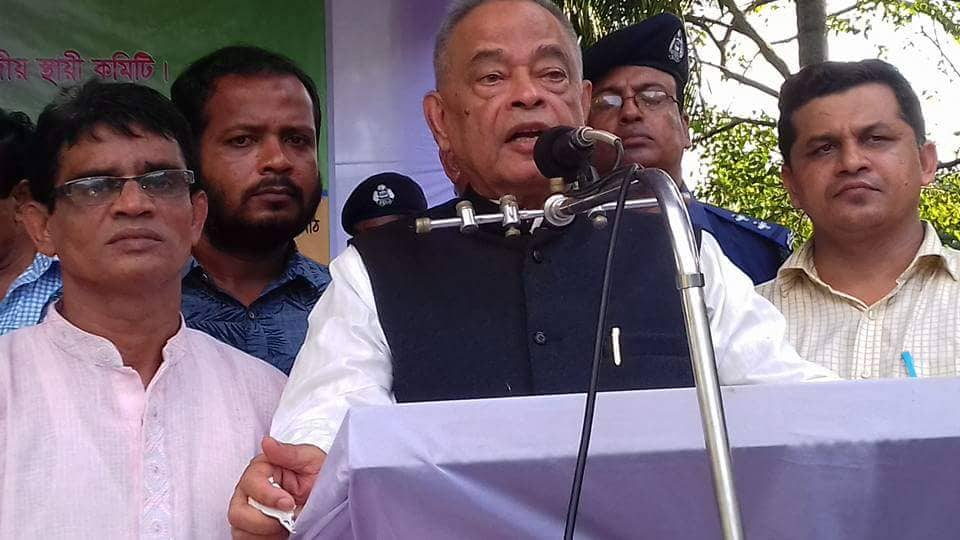
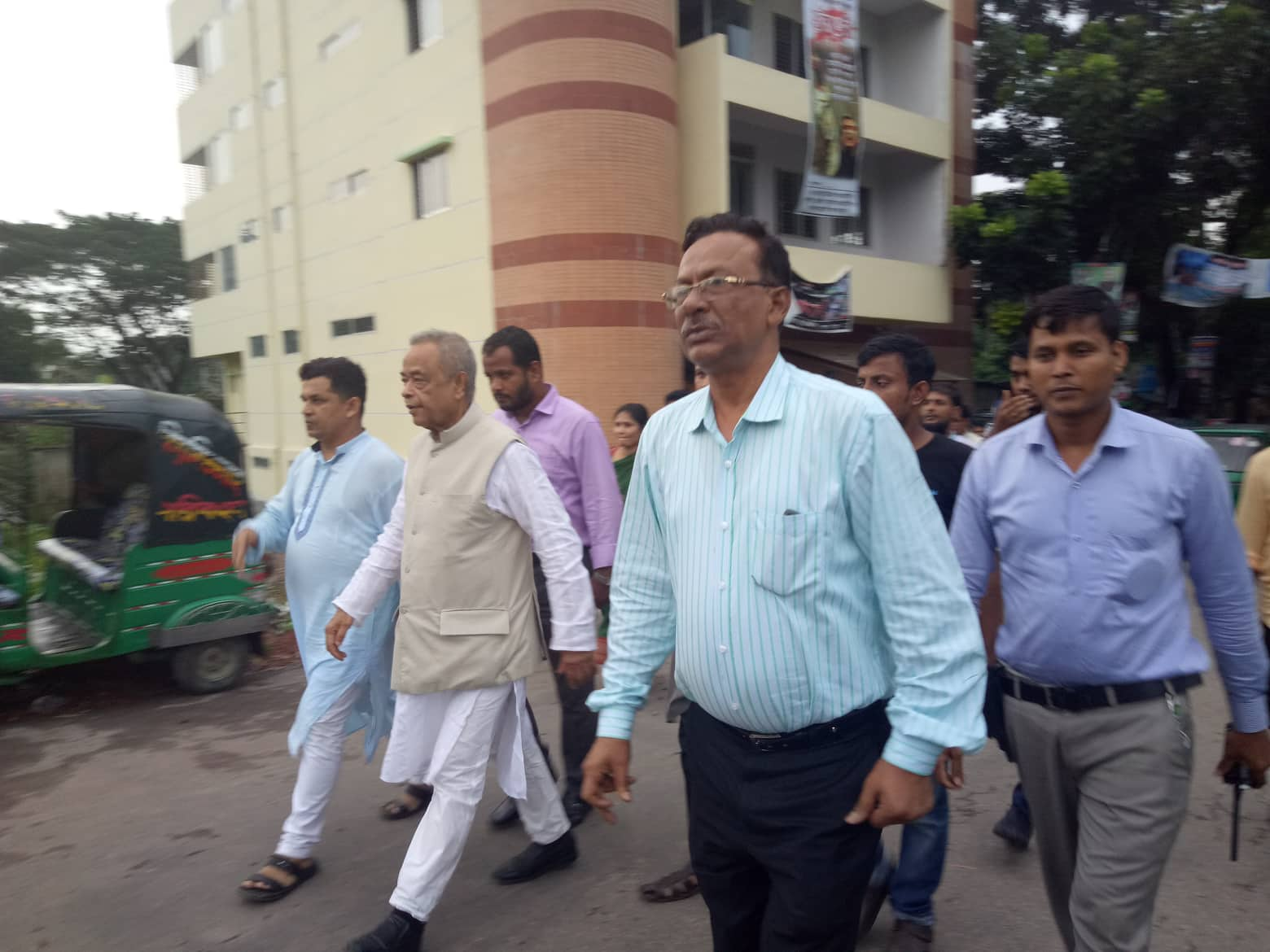
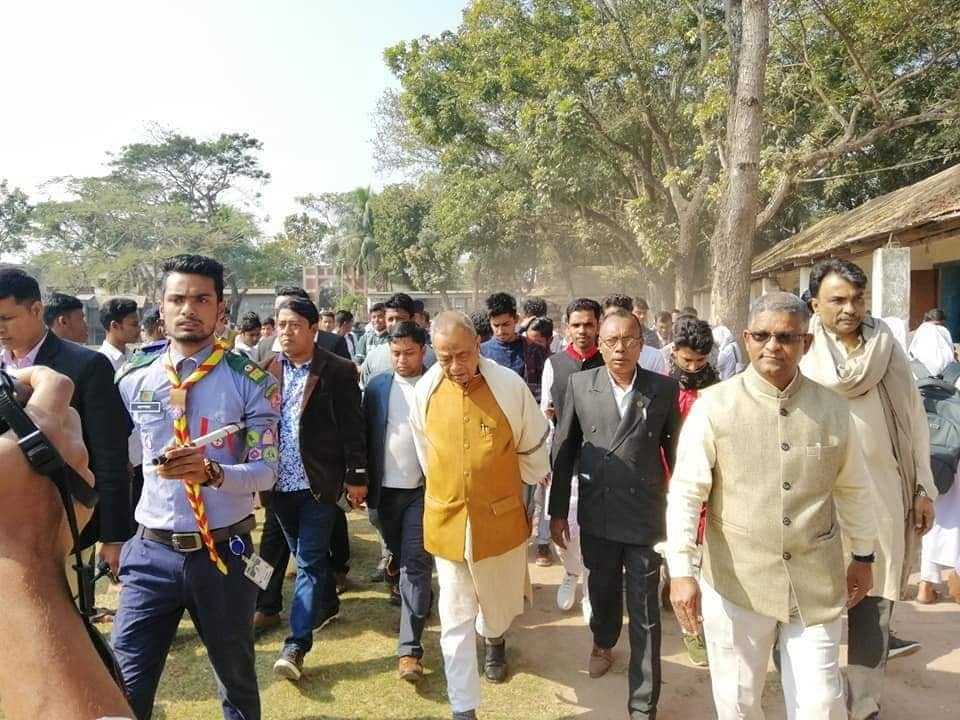
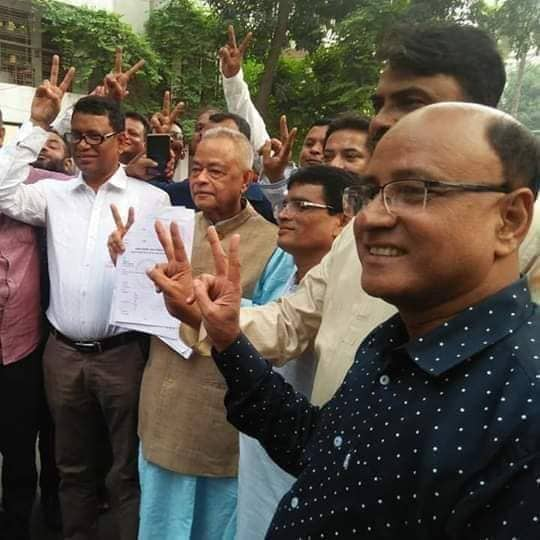
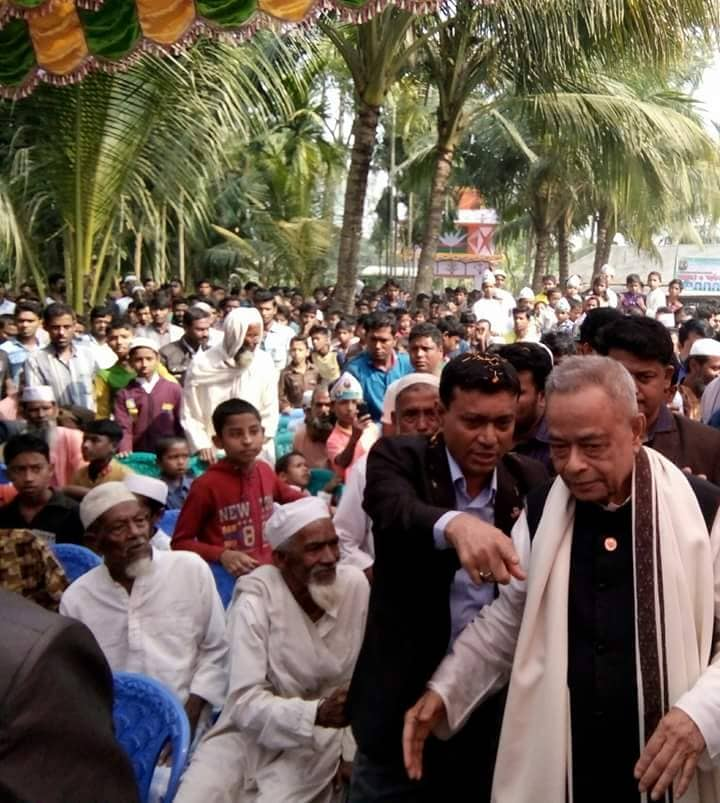
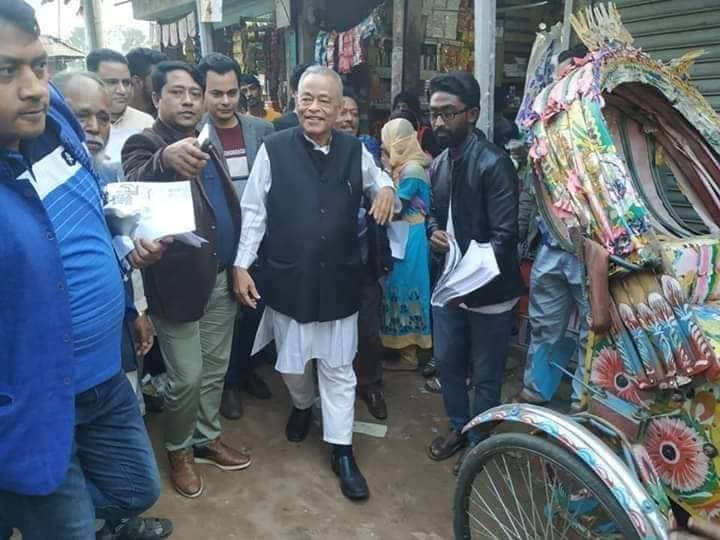
In Pictures — Among the People


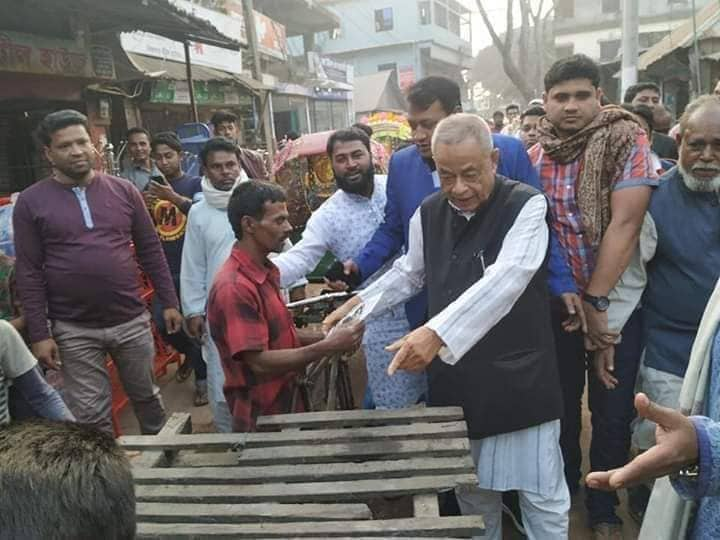
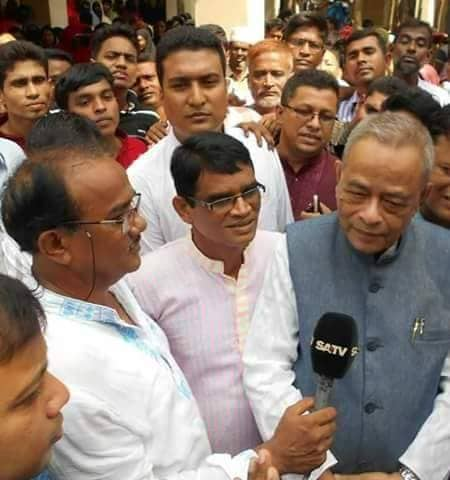

Books & Writings
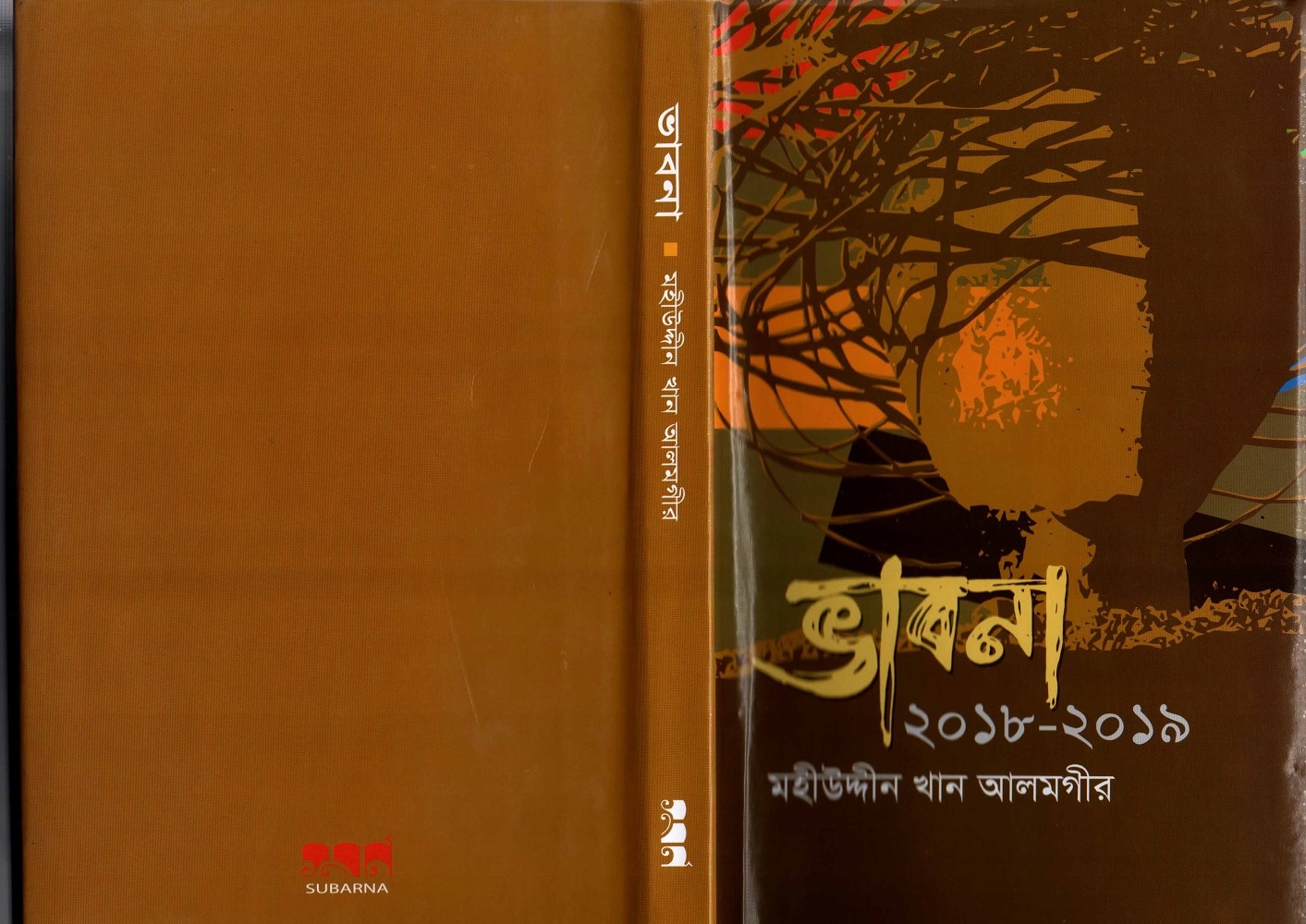
A prolific author in both Bengali and English, Dr. Alamgir has written on economics, land reform, politics, and his own experiences of persecution. Cover pages of a selection of his books appear below.
Life in Retirement
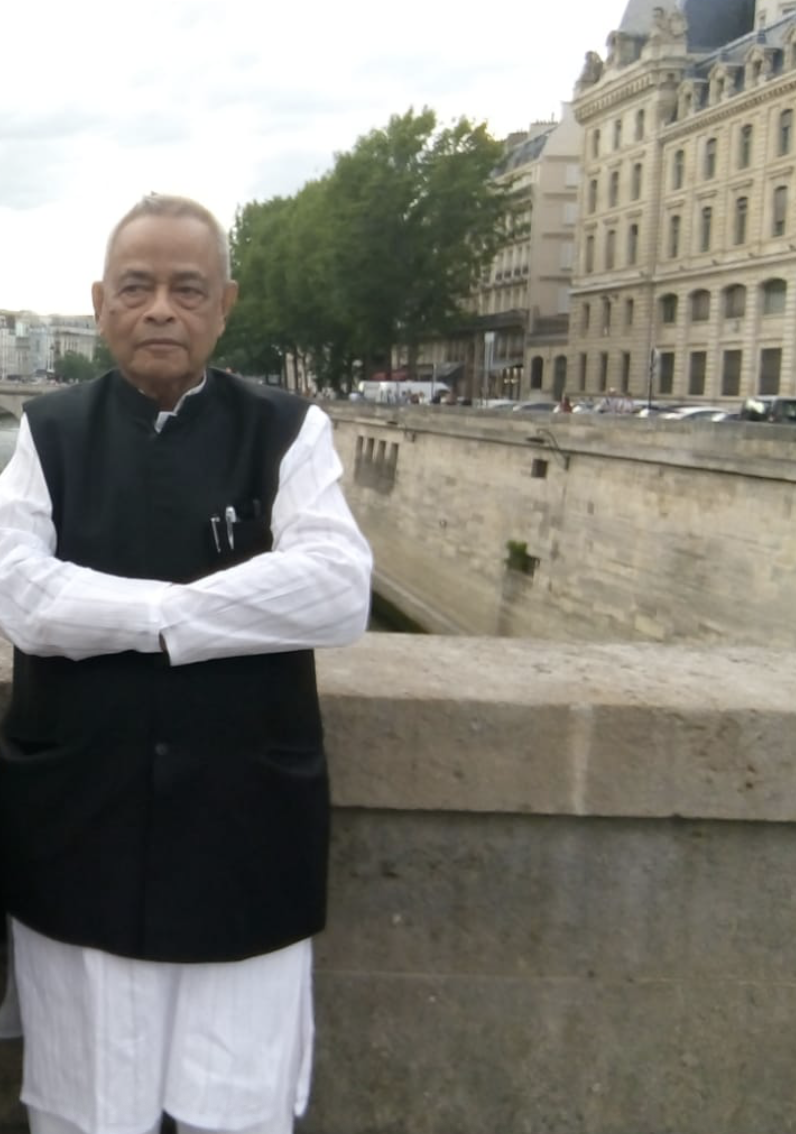
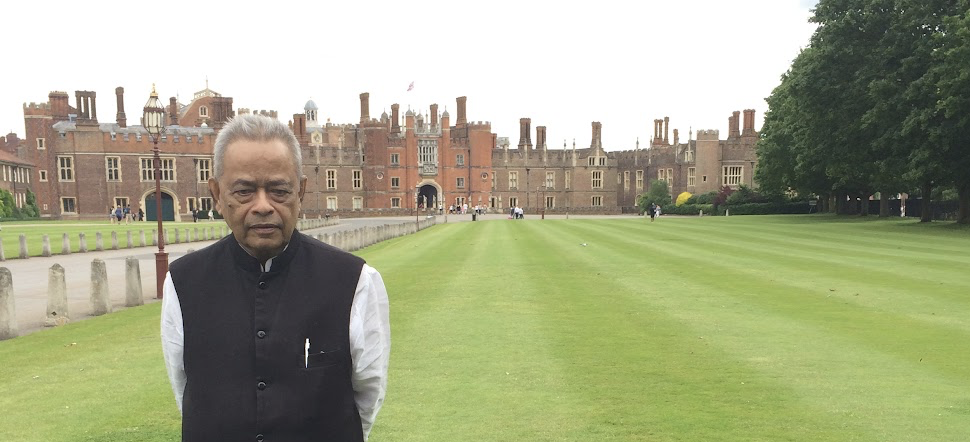
In his advanced age, Dr. Alamgir remains intellectually active. He now resides in La Chapelle, in the greater Paris region of France, where he continues to write about his experiences and reflections — drawing on a lifetime at the centre of Bangladesh’s economic and political history to record his thoughts for posterity.
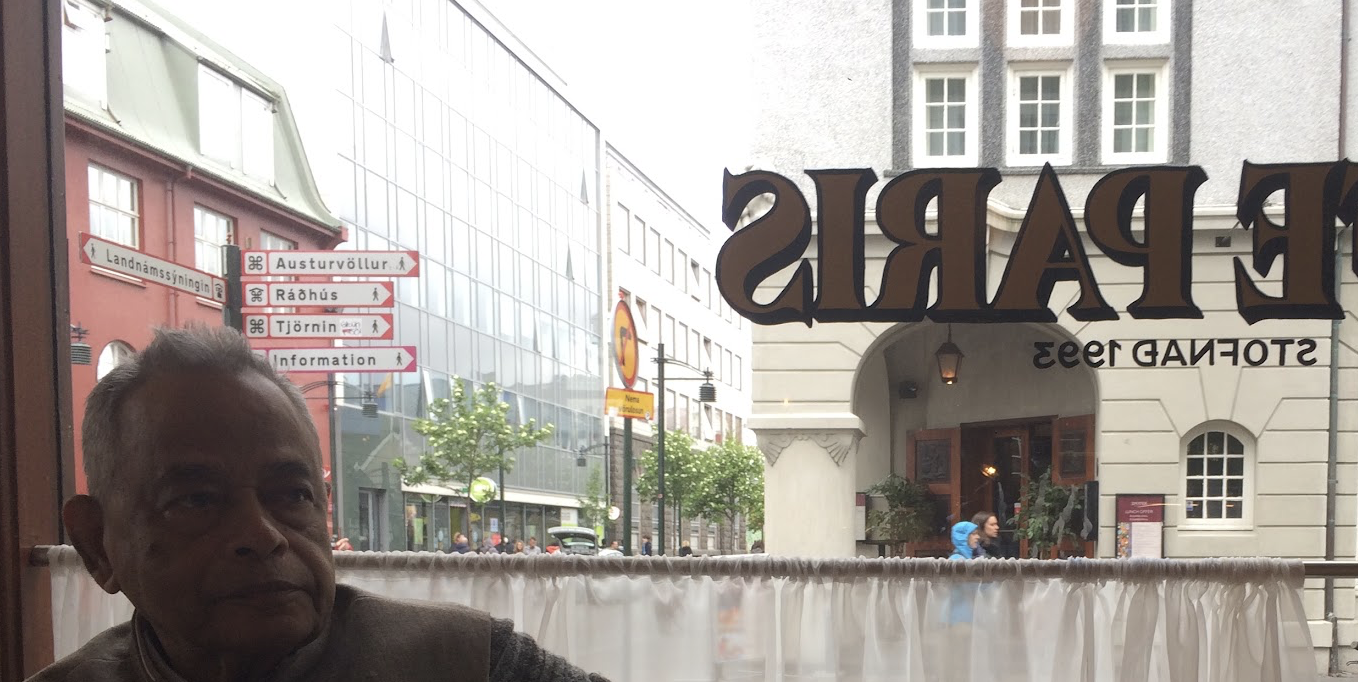
Retirement has also brought the freedom to travel. photographs from recent journeys — through the French countryside, an English castle, a Paris café — record a quieter rhythm of life in Europe, occasionally making time for a quick photograph in between diplomatic engagements.
Far from the chambers of parliament and the ministries he once led, his retirement years are devoted to the quiet discipline of the writer: documenting a remarkable career in public service and offering the perspective that only four decades of statecraft can provide.
As is, unfortunately, the case owing to widespread Islamist and nationalist persecution in Bangladesh, Dr. Alamgir’s family — near and distant — remains geographically scattered, living lives of exile in Middle east, Southern Africa, and South East Asia. A family, once together, is today dispersed across three continents, united by memory and hope. His family members, colleagues, and like-minded acquaintances have been charged, persecuted, beaten, and jailed. Multiple attempts have been made to silence them, including but not limited to journalist Anis Alamgir, historian Muntasir Mamoon, free election activist Taslim K Ullah, and many others.
Circa 2011, Dr. Alamgir’s only son died suddenly.